Tracing Former Owners of a Manassas City Property
Manassas City land history lives in a chain of conveyances held by the Circuit Court Clerk, an office shared with Prince William County and the City of Manassas Park. Start with the current owner's deed. That instrument names the grantor and recites the legal description. Now search that grantor as an earlier grantee. Each hop adds a name. Plats, tax maps, and historic street references confirm the land is the same tract while the grantor-to-grantee ladder grows.
| Source | Years It Covers | Where Held | What It Shows |
|---|---|---|---|
| PublicSearch index | Online records available by document type | Shared Circuit Court Clerk portal | Indexed parties, instrument details, and references for deed searches. |
| Recorded deed images | Where image access is enabled | Clerk portal, SRA, or clerk copy service | Transfer language, legal description, and signatures in an instrument. |
| Recorded plats and plans | By the subdivision or plan record | Clerk records and city GIS plan resources | Lot, block, phase, easements, and subdivision context. |
| Older deed books | As confirmed by the clerk | Clerk's Land Records division | Earlier instruments not available in the public online view. |
Recent instruments sit in the modern index. Older ones are trickier. When a book-and-page reference or a name stops returning an online image, ask the Clerk's Land Records division how to keep going. Do not assume the public portal holds a complete digital chain from beginning to present. No single cutoff year applies. The published materials leave that uneven across document types, so deep chain work may take an in-person request or hands-on help with the deed books and indexes.
How Manassas City Deeds Enter the Historical Chain
Manassas became an incorporated town in 1873. Its boundaries grew over the decades that followed. On May 1, 1975, it became an independent city, and the 1984 Godwin Drive annexation marked another boundary milestone. Those dates matter for deed research. A historical deed may describe land as lying in the Town of Manassas or Prince William County even though the parcel now sits inside the independent city. Treat jurisdiction wording as evidence of period and place. That alone proves nothing about the modern parcel. Compare acreage, adjoining owners, natural features, lot and block references, and any recorded plat before accepting a match. When a chain crosses a boundary change, keep the older wording in your notes. Then explain exactly how you matched the tract to the current tax map.
Use PublicSearch, Then Continue Beyond the Index
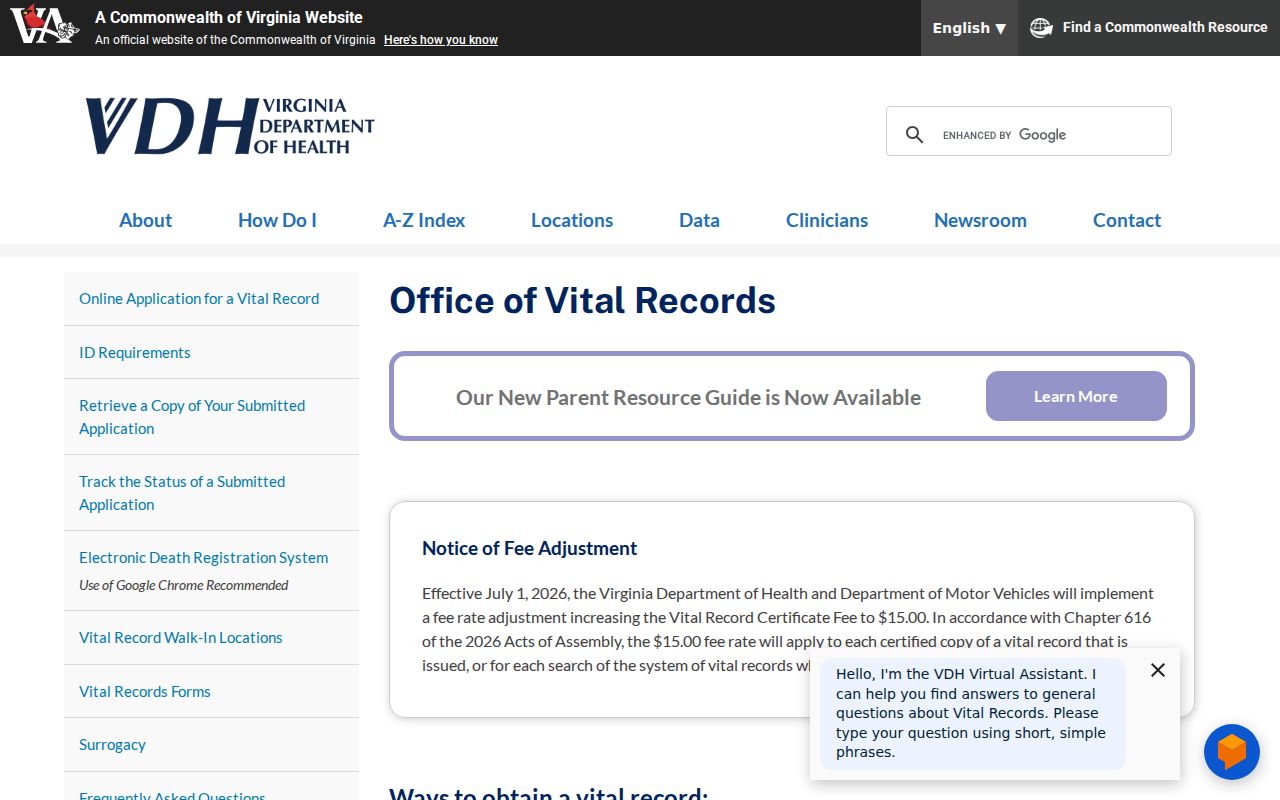
The shared clerk portal opens its searchable land-record index after registration. It also requires acceptance of a user agreement. Begin with the current owner as grantee. That search should surface the acquisition deed. Read it and identify who conveyed the interest. Search that grantor as a grantee from an earlier period. Repeat the process deed by deed. Along the way, log the instrument date, its type, the parties, and the book/page or instrument number. Note any legal-description clues that appear. Name searches bring noise. A common name can return several people or instruments. These may have nothing to do with your parcel. Confirm each candidate by tying its legal description to the property. Do not trust a name match alone. The Circuit Court Clerk's PublicSearch portal also advertises property alerts. Alerts help monitor later filings, but they never replace a full chain review.
The shared Circuit Court Clerk PublicSearch portal provides the index used to trace former owners.
Walking the Manassas City Deed Chain Backward
Start from a document tied to the present property. Then walk backward one deed at a time. The method is research, not a guarantee that every instrument is online or that every transfer was a sale. Gifts, estate distributions, corrective deeds, and trusts change the title record without any conventional purchase price.
- Locate the current parcel in the Manassas assessment portal and note its tax map number and deed reference if displayed.
- Search the clerk index for the current owner as grantee and open the deed that matches the parcel description.
- Write down the grantor, recording date, instrument reference, and the full description or plat citation.
- Search the prior grantor as grantee to find the earlier acquisition, validating the tract at each transfer.
- When digital results end, ask the clerk which deed books, indexes, or copy procedures cover the earlier period.
- Grantor / grantee
- The party conveying an interest and the party receiving it in the instrument.
- Chain of title
- The ordered sequence of instruments connecting past interests to a current owner.
- Legal description
- The written land description used to identify the tract beyond its postal address.
Subdivision Plats Explain Changes in Parcel Identity
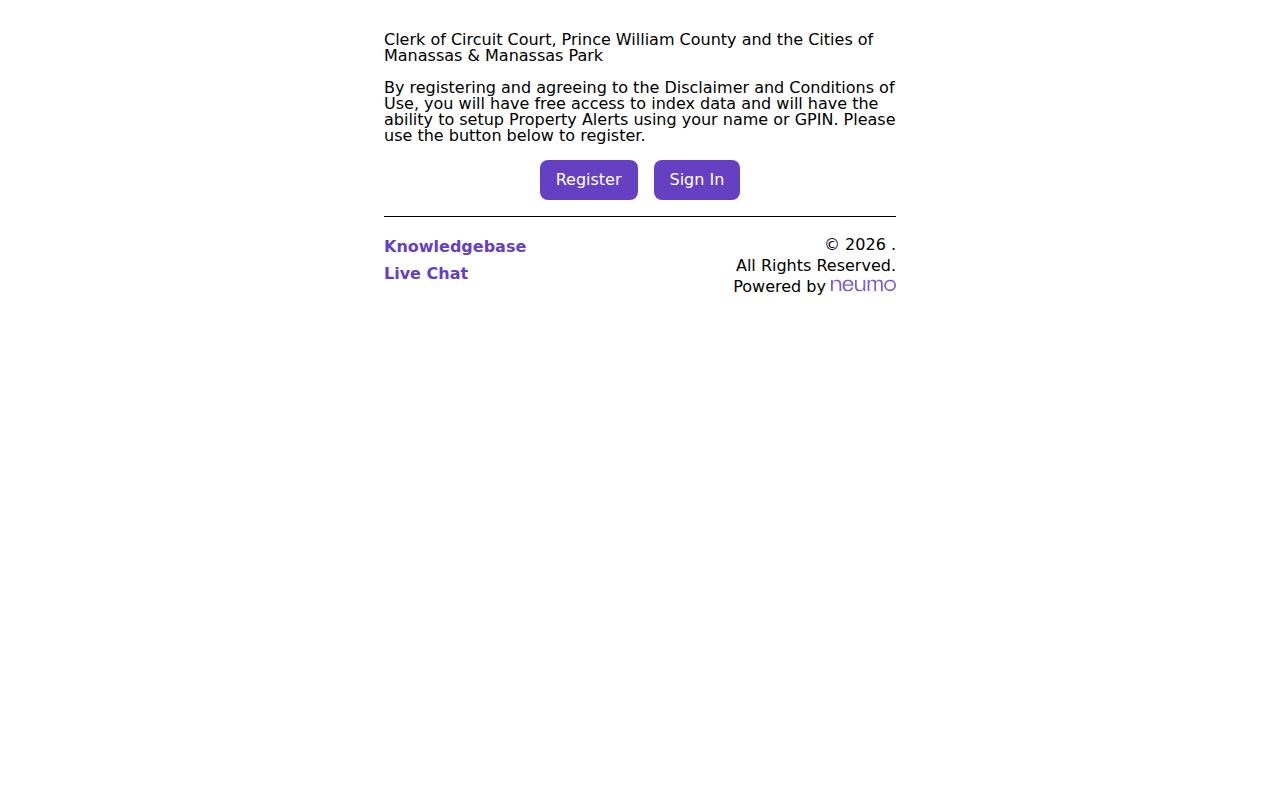
Today's lot may hide an older, larger tract. Subdivision explains the split. Manassas GIS carries named subdivision polygons and parcel layers. Its plan library holds scanned subdivision and development plans sorted by title, address, and decade. The collection includes Annaburg, Cloverhill, New Britain, Point of Woods, Waterford, Wellington, and Weems Park. Weems Park was formerly Parcel R of Deer Park Subdivision. Search a plat name together with the street address and tax map number. A recorded plat supplies lot, block, and dedication details. Those rarely surface in a plain address search. Then compare the lot on the plan against the legal description in each deed. The named subdivision GIS layer is a finding aid only. The recorded plat and the deed remain the controlling land records.
The Manassas named subdivision layer shows development labels that can guide a former-owner search.
Why an Older Address May Not Match the Current Parcel
Addresses drift over time. Street names, house numbers, unit labels, and municipal boundaries all shift. The land stays put. An older deed may cite nothing but a subdivision lot or an adjoining tract. A modern assessment account, by contrast, uses a current postal address. Apartment and condominium records can even carry paper addresses. These do not function as street addresses in the GIS. The legal description is the real continuity test. Record the book/page citation, lot and block, acreage, parcel or tax-map identifier, and any named neighbors. GIS helps when the description is ambiguous. Its outline can orient the search. It cannot resolve a title question after a parcel was divided. A licensed title professional can reconcile the chain. This expert can also identify the instruments that burden or divide the tract.
How Far Back Manassas City Ownership Records Go
No single online year marks the start of every Manassas City ownership chain. The records reachable through the portal vary. Coverage depends on document type and account permissions. When the index stops short of the period you need, ask the clerk how to search older deed books, grantor-grantee indexes, and plats. Historic land grants and patents can supply background for the earliest eras. They predate local conveyance records, though. They are no substitute for the later deeds that partitioned and conveyed the parcel itself.
Older instruments may cite a former owner's name, the Town of Manassas, or Prince William County as the place. Gaps must be established carefully. Confirm record losses from the custodian's holdings rather than assuming them from one unsuccessful web search. A chain is only as strong as the documents matched to the land. Preserve uncertainty wherever a legal description cannot be reconciled.
Respectful research. Former-owner research can document a house's history or support a property review. Do not turn deed research into unwanted tracking or harassment of a living person; for title or boundary consequences, use the complete record and qualified professional help.
Copies, Images, and Research Notes
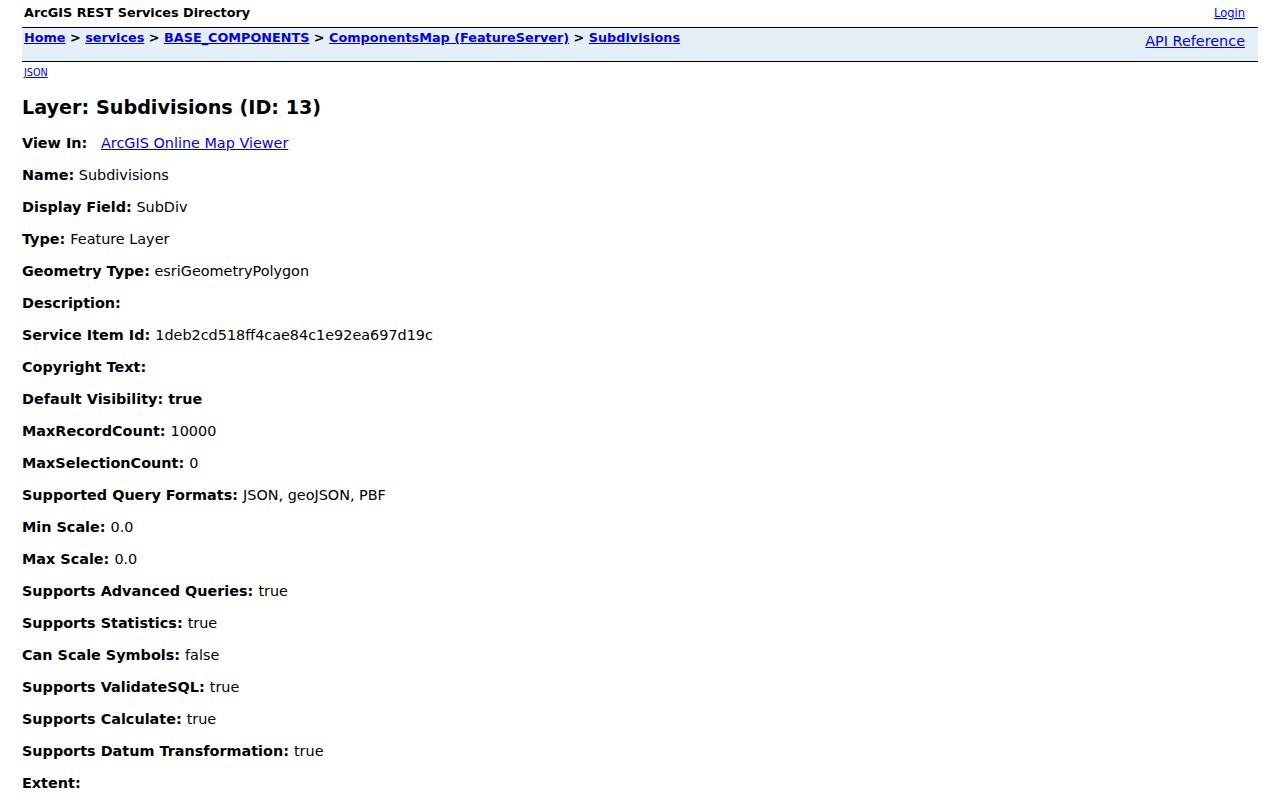
Index searching and document images are two different things in Virginia. PublicSearch and the state's Secure Remote Access service separate them. SRA offers free index-only access where enabled. Images usually require authorized subscriber access. The clerk can explain whether a certified or plain copy fits your situation. The clerk can also say what fee applies. Virginia's statutory schedule lists recording charges by page range. It sets a separate fee for oversized plats. It adds a per-page copy rate. Confirm the current amount and the accepted payment method before requesting a long chain.
Keep a citation for every deed. Record why you believe it matches the parcel. A concise chain table works best. It should show the instrument date, grantor, grantee, legal-description clue, and recording reference. It should also flag any open question. That detail lets a clerk, title professional, or family researcher reproduce the work. Review the statewide SRA explanation for details on index and image access. Ask the shared clerk about local subscription terms.
The Virginia SRA overview explains the index and image access distinctions for historic deed research.
Use Family History Sources for Context, Not Title
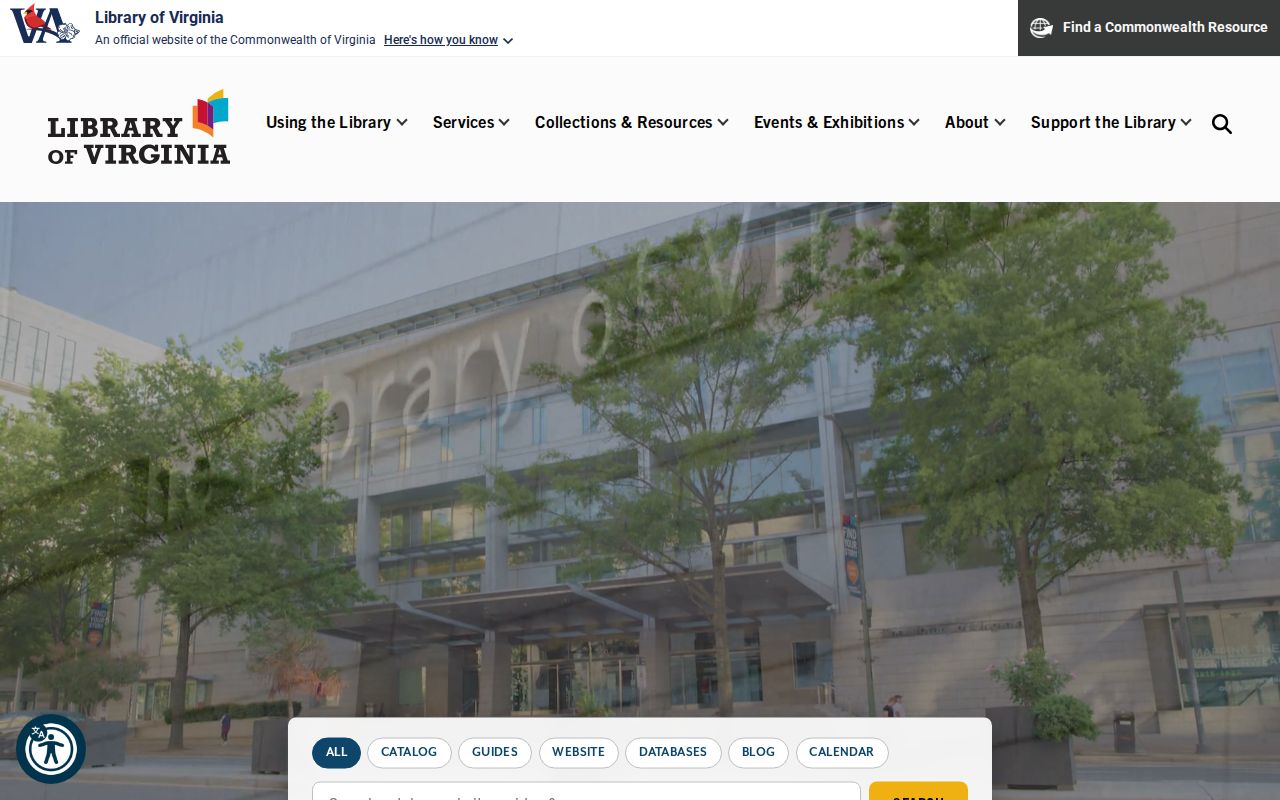
A finished deed chain tells you who the former owners were. Family-history sources can then add color. Vital-record genealogy indexes help too. They can point toward a birth or death record. Such records explain a life event, not a land transfer, and they do not prove who inherited a parcel. The Library of Virginia is a gateway to historic collections. Its materials can deepen your sense of an earlier owner or neighborhood.
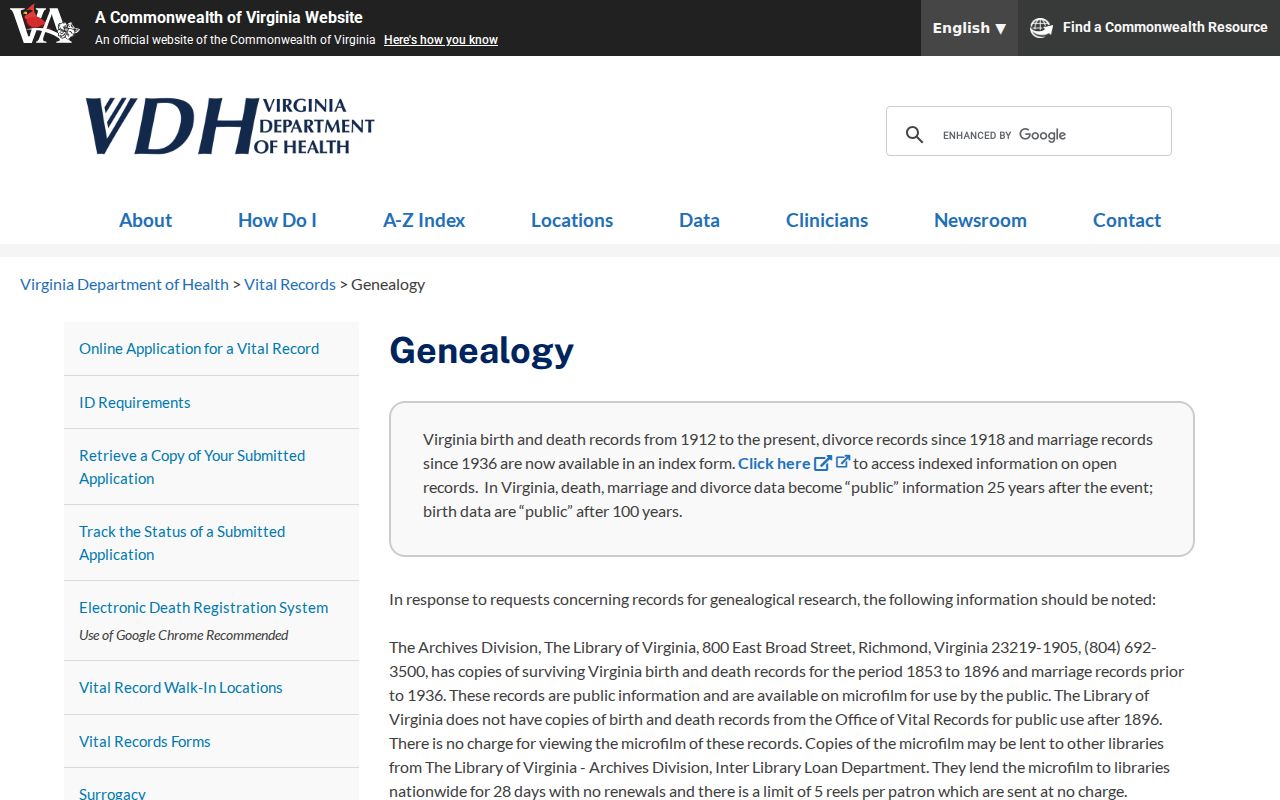
Start with the Library of Virginia archival gateway for older historical material, and see the Virginia Department of Health genealogy page, which describes its index years and points to Library of Virginia microfilm resources. A current vital-record request follows separate eligibility rules. Check the current VDH request page first. No genealogy source replaces the deed or probate order that establishes the transfer.
The Library of Virginia provides a gateway to archival sources that may supplement a Manassas property history.
The VDH genealogy page describes index-year and microfilm routes for personal-history research.
The current VDH service page explains the separate request route for vital records.